
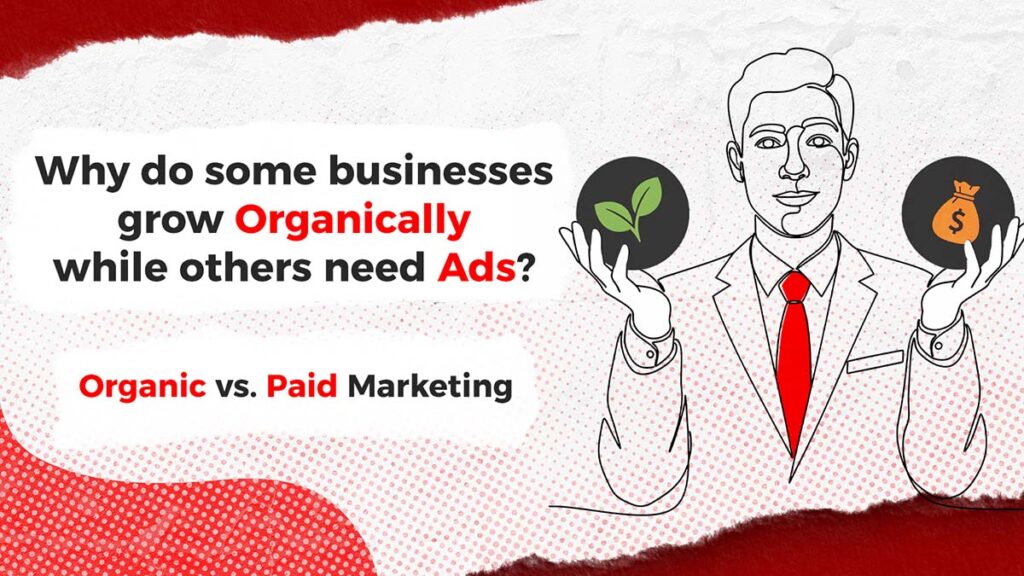
Marketing today is more competitive than ever, and one of the biggest decisions businesses face is choosing organic marketing, paid marketing, or a mix of both. While these two strategies often look similar from the outside, they work very differently — and choosing the right one can determine how fast (and how sustainably) your business grows.
Let’s break it down clearly and simply.
What Is Organic Marketing?
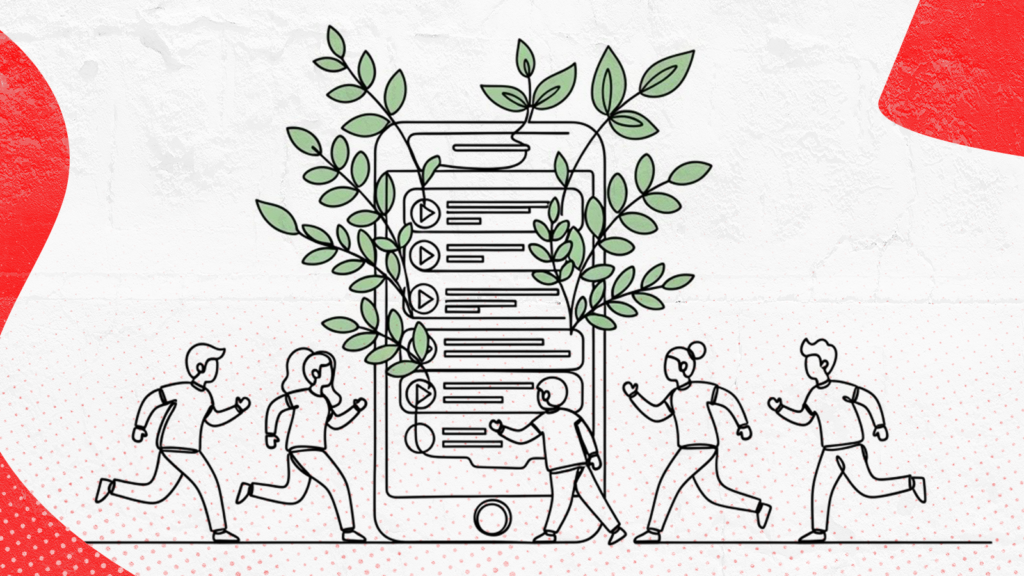
Organic marketing refers to all the content you publish that brings in traffic naturally — with no direct ad spend.
It’s built around value, trust, and long-term audience growth.
Examples of organic marketing:
- Social media content (Instagram posts, reels, TikToks, Facebook)
- SEO and blog articles
- Email newsletters
- YouTube videos
- Community building
What makes organic marketing powerful?
- Builds long-term trust with your audience
- Creates a strong brand presence
- Generates consistent traffic over time
- Attracts high-intent, loyal customers
When organic marketing works best
Organic wins when:
- Your product/service requires education (e.g., health, coaching, B2B services)
- You need to build brand authority and trust
- Your sales cycle is long
- You want sustainable, cost-effective growth
Organic is slow to start, but the results compound — and often outperform ads in the long run.
What Is Paid Marketing?
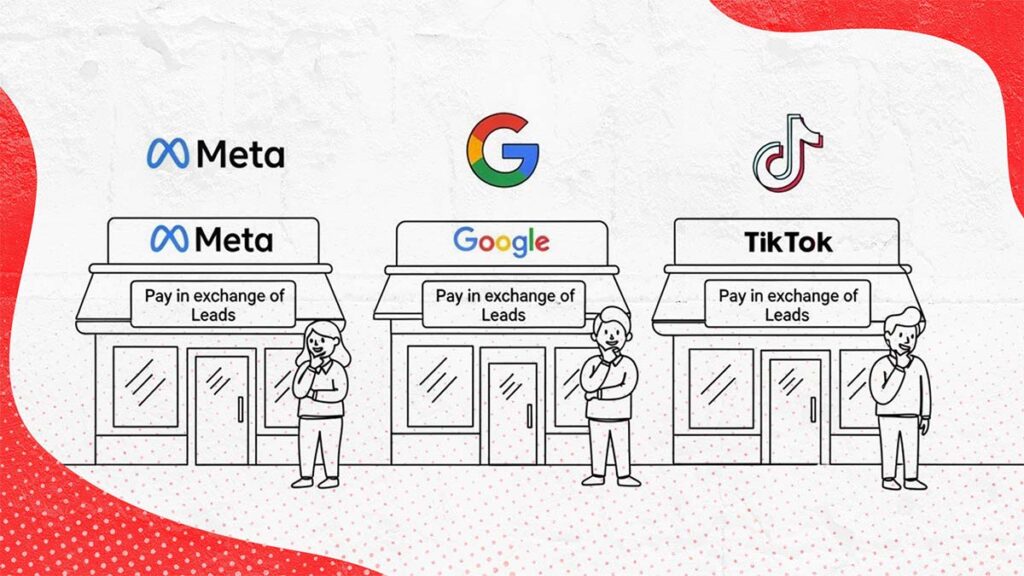
Paid marketing includes all forms of advertising where you pay to reach your audience directly.
Examples of paid marketing:
- Facebook & Instagram ads
- Google search ads
- YouTube ads
- TikTok ads
- Sponsored posts & influencer campaigns
Why paid marketing matters
- Delivers fast, predictable results
- Reaches large audiences instantly
- Helps you scale sales quickly
- Allows precise targeting (age, interests, location, behaviors)
When paid marketing works best
Paid works when:
- You need results now (new product launch, seasonal offers)
- Your business depends on quick conversions
- You want to scale revenue rapidly
- Your competition is high and organic reach is limited
Paid marketing is fast — but stops the moment you stop paying.
Organic vs. Paid Marketing: Key Differences
Here’s what truly separates them:
| Feature | Organic Marketing | Paid Marketing |
|---|---|---|
| Speed | Slow but stable | Fast, instant |
| Cost | Free but labor-intensive | Requires budget |
| Trust | High (value-driven content) | Medium (seen as ads) |
| Longevity | Long-term | Short-term |
| Scalability | Limited at first | Very high |
| Best for | Authority & brand building | Leads & sales |
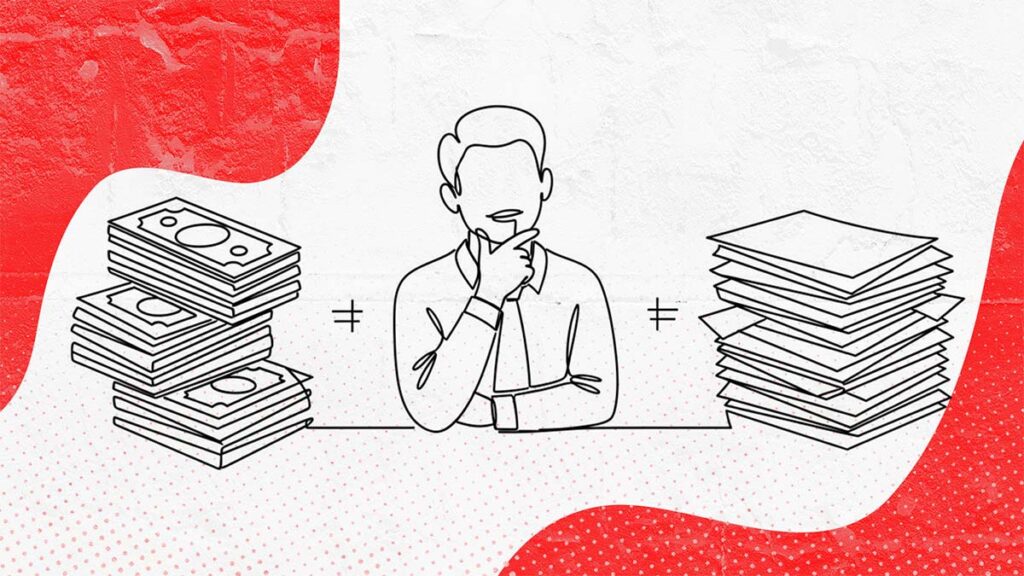
When Should You Choose Organic Marketing?
Use organic when your goal is to:
- Build credibility in your niche
- Educate your audience
- Strengthen your brand identity
- Attract quality, long-term customers
Examples of businesses that thrive with organic marketing:
- Doctors & clinics
- Coaches & consultants
- Restaurants & local businesses with strong communities
- Brands with a unique identity or story
When Should You Choose Paid Marketing?
Use paid when your goal is to:
Launch a new business or product
Get quick leads or bookings
- Drive immediate sales
- Reach a wider audience fast
Examples of businesses that thrive with paid marketing:
- E-commerce brands
- Gyms, clinics, and salons running offers
- Real estate projects
- Seasonal businesses
The Best Strategy? Both — But With a Clear Role for Each
The most successful brands don’t choose between organic and paid.
They combine both:
Organic builds trust — Paid accelerates growth
A strong organic presence makes your ads more effective.
And strong ads help more people discover your organic content.
It’s the perfect cycle.
Final Thoughts
Organic marketing and paid marketing aren’t enemies — they’re two sides of a complete growth strategy. Organic gives you trust and long-term strength; paid gives you speed and scalability.
Understanding when to use each one — and how they support each other — is the key to growing any modern business.