
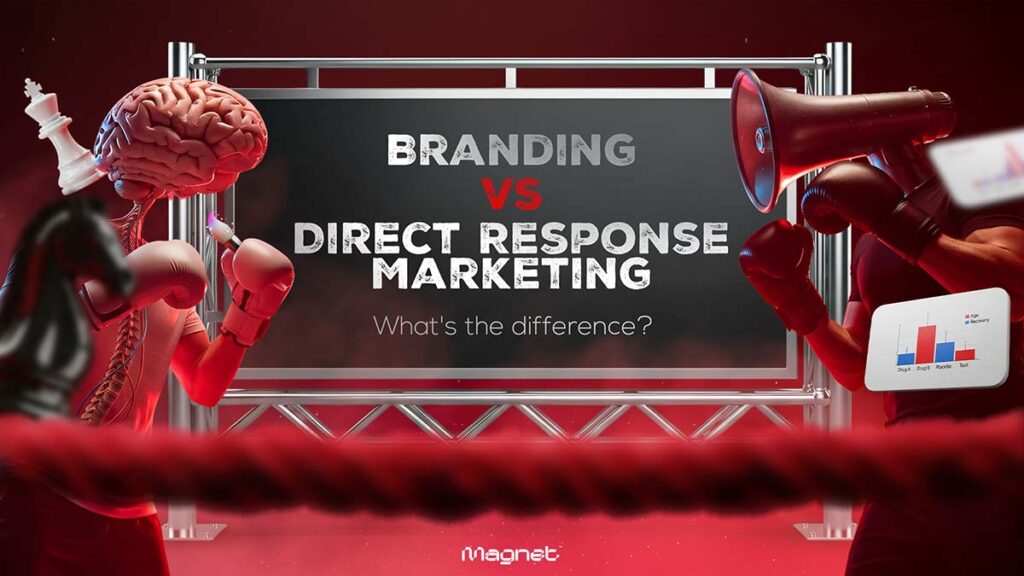
In the world of marketing, two strategies often get mixed up — Branding and Direct Response Marketing. While both aim to grow your business and attract customers, they do it in very different ways. Understanding the distinction between the two can help you choose the right approach for your goals — whether you want long-term trust or short-term sales.
What Is Branding?
Branding is all about building perception and emotional connection. It’s the process of defining how people feel, think, and talk about your business.
Your brand isn’t just your logo, colors, or tagline — it’s the entire experience your audience has with you. From your tone of voice on social media to the emotions your visuals evoke, branding builds recognition, trust, and loyalty over time.
Example:
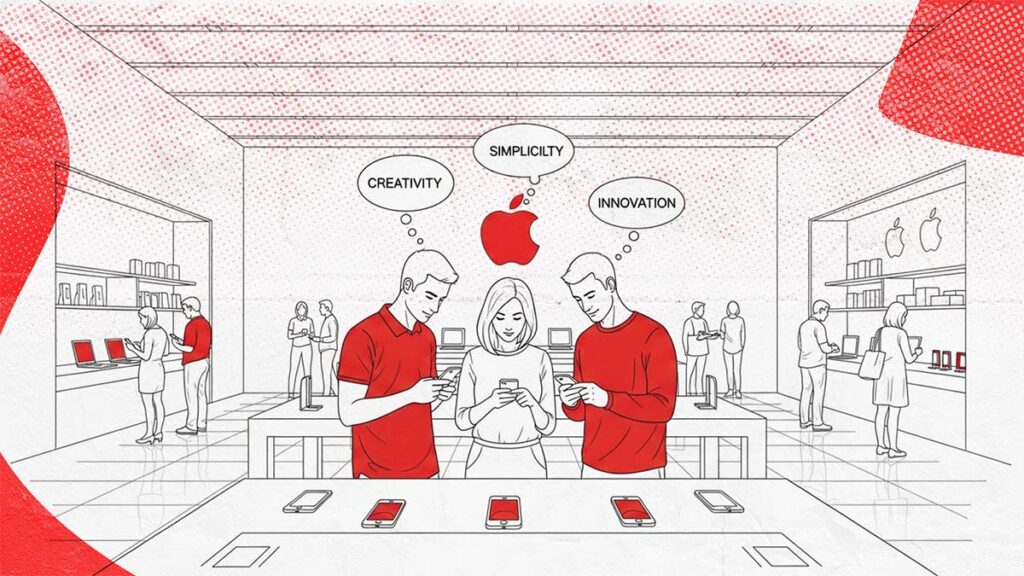
Think of Apple. They don’t just sell phones — they sell creativity, simplicity, and innovation. When people buy an iPhone, they’re not just buying a product; they’re buying into an identity.
Goal: To create emotional attachment and long-term trust that keeps customers coming back — even when competitors offer something cheaper.
What Is Direct Response Marketing?
Direct response marketing is the opposite side of the spectrum — it’s action-focused. Its goal is to get an immediate reaction from the audience, like a click, a signup, or a purchase.
It’s about measuring performance and driving conversions with a clear call-to-action (CTA).
Example:
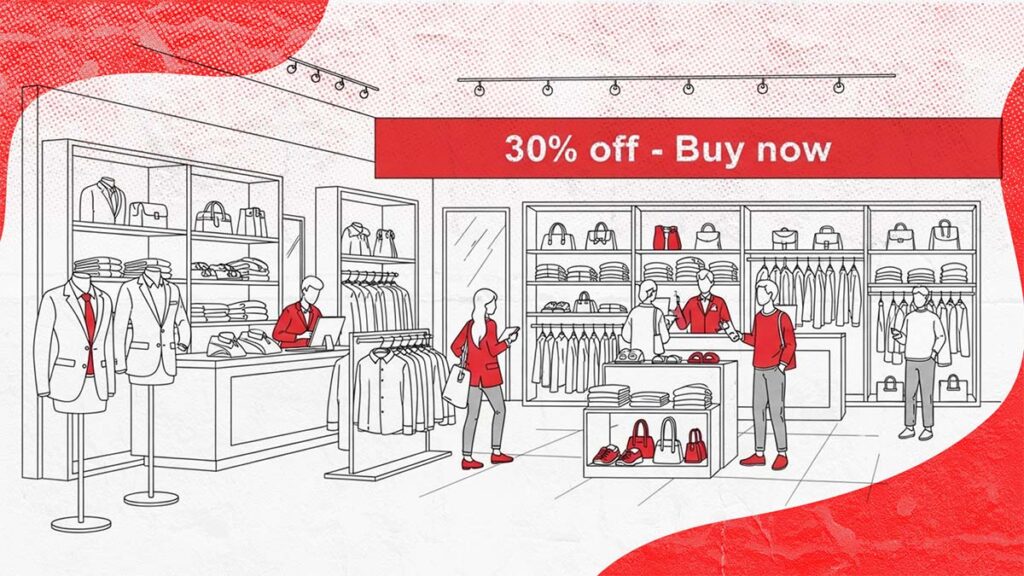
An Instagram ad that says, “Get 30% off — Order Now!” is a direct response campaign. It’s designed to push people to take action right now, not to remember your brand months later.
Goal: Generate quick results and trackable sales performance.
Branding vs. Direct Marketing — The Core Difference
| Aspect | Branding | Direct Response Marketing |
|---|---|---|
| Goal | Build awareness and loyalty | Drive immediate conversions |
| Focus | Emotional connection | Tangible results (sales, clicks, leads) |
| Timeline | Long-term | Short-term |
| Measurement | Brand recognition, trust | ROI, CPA, CTR |
| Example | Coca-Cola’s “Open Happiness” | Facebook ad with “Shop Now” button |
Simply put — branding builds relationships, while direct marketing drives actions.
You need both, but at different times and for different goals.
When to Focus on Branding
Branding works best when you’re building or growing your name. It’s ideal for businesses that want to:
- Create recognition and emotional loyalty
- Build authority in their market
- Establish a consistent identity across platforms
- Play the long game for customer trust and retention
Example:
A new fitness studio that wants to stand out from competitors by building a strong personality and emotional message — “We move together, we grow together.”
When to Focus on Direct Response Marketing
Direct response marketing is perfect when your goal is immediate results. It’s ideal for:
- Product launches or promotions
- Seasonal sales and discounts
- Lead generation campaigns
- Testing new offers or audiences
Example:
An e-commerce brand running a “Buy One, Get One Free” campaign to boost sales before a holiday season.
How to Combine Both
The most powerful marketing strategies use both branding and direct response together.
Think of branding as the foundation — it builds trust. Then use direct marketing to turn that trust into measurable sales.
Example:
A skincare brand spends months creating a trusted, authentic identity online (branding), then runs retargeting ads offering “Free trial kit for new followers” (direct response).
Final Thoughts
Branding and direct response marketing aren’t rivals — they’re partners in growth.
Branding makes people care; direct marketing makes them act.
If you focus only on direct marketing, you’ll make quick sales but struggle with long-term loyalty.
If you focus only on branding, people might love your image but never buy.
The real power lies in finding the balance — build a brand people trust, then guide them to take action when it matters.